You are here: NPIC Home —> Pesticide Ingredients —> Pesticide Types —> Treated Wood and Wood Preservatives
Treated Wood and Wood Preservatives
Insects and mold can damage wood over time. To prevent that damage, wood is often treated with pesticides. Treated wood is commonly used to build telephone poles, road signs and marine pilings as well as decks, play structures and raised garden beds. Several wood preservatives are registered with the EPA, each with different uses and potential risks.
Wood preservatives can extend the life of wood and reduce the need for forest resources, but proper use is important. Some preservatives can slowly leach into the surrounding soil or water. Sometimes, touching the wood can leave residue on exposed skin. Use the resources below to learn about selecting and using treated wood properly.
When using treated wood, keep these tips in mind:
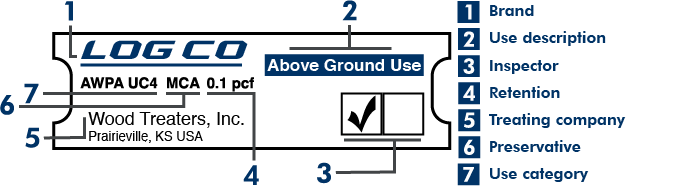
- Make sure you select the proper type of treated wood for the job. Some treated wood and wood preservatives are restricted to specific uses.
- Consider wearing gloves when handling unsealed treated wood to reduce exposure to your skin.
- Consider wearing a dust mask while cutting treated wood to help prevent treated sawdust from being inhaled. Even untreated wood can irritate a person's airways.
- Never burn treated wood. Toxic chemicals can be released in the smoke.
- Consider using paint, varnish or some other type of sealant on treated wood as a barrier between the chemical and the surrounding environment.
- Some wood preservatives can leach into soil and be taken up by plants. If you are planning to use treated wood close to edible plants, consider reviewing the resources below or talking to a NPIC specialist about ways to minimize the risks of treated wood.
For more information on treated wood, choose from these topics:
- Information on Specific Types of Wood Preservatives
- Home and Garden Use of Treated Wood
- Disposal of Treated Wood
If you have questions about this, or any pesticide-related topic, please call NPIC at 1-800-858-7378 (7:30am-3:30pm PST), or email us at npic@ace.orst.edu.
Additional Resources on Treated Wood:
- Pressure Treated Wood: Questions and Answers - Massachusetts Department of Environmental Protection
- Garden Use of Treated Lumber - Penn State Cooperative Extension
- Selecting Preservative Treated Wood - University of Minnesota Extension
- Information for Homeowners on Treated Wood - American Wood Protection Association (AWPA)
- Alternatives to Arsenic-Treated wood - Washington State Department of Ecology
- Safe Use of Chemically Treated Wood - University of Rhode Island
- Selection and Use of Preservative-treated Wood - Iowa State University Cooperative Extension Service
- Use Preservative-treated Wood & Integrated Pest Management When Rebuilding - Louisiana Cooperative Extension Service
- Preservative-treated Wood in the Landscape - University of Nevada, Reno
- Paint, stain, varnish, or preservative? It's your choice - USDA Forest Products Laboratory (FPL)
- Painting ACQ- or CCA-Treated Lumber - University of Missouri Extension
- Timber Preservation Treatments for Highway Applications - Iowa DOT
- Feasibility of Nanozinc Oxide as a Wood Preservative - American Wood Protection Association (AWPA)
- Consumer Products Treated with Pesticides - U. S. Environmental Protection Agency (EPA)
USDA Forest Products Laboratory (FPL)
- Alternatives to Chromated Copper Arsenate for Residential Construction
- About the Forest Products Laboratory
- Wood Preservation and Related Topics
- Wood Handbook, Chapter 15: Wood Preservation
- Guide for minimizing the effect of preservative-treated wood on sensitive environments