
1.800.858.7378npic@oregonstate.edu
Call, email, or chat Mon-Fri
A to Z
Find Your Local Resources
My Local Resources
University Extension or County Extension - pest identification, pest fact sheets, pest control
Master Gardeners - outdoor pest control at home (lawn, garden)
Mosquito/Vector Control - neighborhood pest control or other vectors of disease
Environmental Agency - large chemical spills, issues with wildlife, environmental concerns
State Pesticide Regulatory Agency - pesticide law enforcement, applicator certification
State Health Department - multifamily housing, vector-borne diseases
Worker Safety - pesticides at work
EPA in my Region - shipping pesticides into the US
Conservation Districts - types of soil on my property, concerns about soil or water
Household and Hazardous Waste - disposal of leftover pesticide(s)
Housing and Urban Development - pest infestations in public housing
Contacts for Pesticide Applicators and Workers - applicator training, agricultural safety
Emergencies – Call 911 if you need help right now. For help with spills or possible exposures, visit our pesticide emergency resources or call NPIC at 800-858-7378.
Don't see your resource listed, contact your local 2-1-1 to find help near you.
University Extension in my State
Extension services vary by state and county. Local knowledge can often be the best resource for your specific questions. You will need to check with your state or local Extension office to determine what expertise is in your area, but traditional services that Extension may provide include:
- Pest identification and/or plant disease diagnostic services
- Pest control recommendations
- Soil testing to determine fertilizer needs
Master Gardeners in my area
By calling the coordinator of Master Gardeners in your state, you’ll find out how to get in touch with a local expert. He or she may have experience and locally based knowledge about how to deal with a specific pest that is giving you trouble. You may also ask about:
- How to receive training to become a Master Gardener
- Upcoming events to share and trade knowledge, seeds or plants
Here are the Master Gardener contacts in your state:
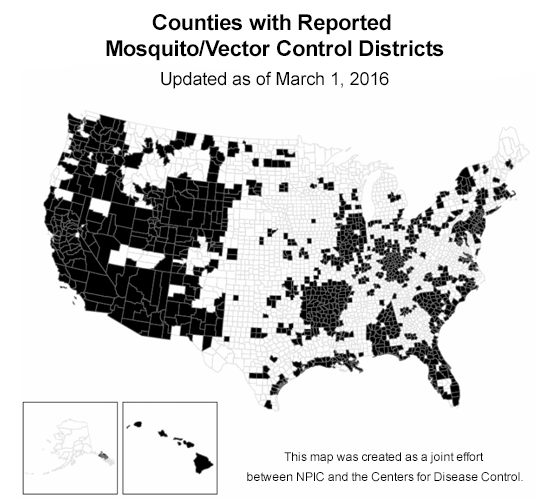
Mosquito/Vector Control Districts
Some cities, counties and/or regions have programs that address mosquitoes, ticks, rodents, or other pests. These animals are called "vectors" because they can spread public health diseases. Each program may offer different services or information based on local funding and needs. Some communities have organized mosquito/vector control programs; some do not. We have attempted to list all of the mosquito/vector control districts in your state below. Mosquito/vector control districts may be able to:
- Discuss any pesticide applications related to public health in your area
- Collect reports from the public about mosquitoes, rodents and/or abandoned swimming pools
- Discuss public health advisories in your area
Here are the available mosquito/vector control contacts in your state:
|
|
Environmental Agency in my State
In the U.S., each state has an agency in charge of environmental issues. It may be called the Department of Environmental Protection/Quality/or Natural Resources, or something similar. You might consider contacting your State Environmental Agency for issues like these:
- How to report large chemical spills
- How to report issues related to wildlife
- Upcoming collection events for disposal of old or unwanted pesticides
Here are the State Environmental Agency contacts in your state:
Pesticide Regulation Agency in my State
In the U.S., each state has an agency in charge of pesticide-related issues. It may be called the Department of Agriculture, Pesticide Regulation, Environmental Conservation or something similar. They often work closely with Regional Offices of the US EPA. You might consider contacting your State Pesticide Agency for issues like these:
- How to comply with pesticide regulations
- How to become a certified pesticide applicator, operator or dealer
- How to find local opportunities for applicators' continuing education
- How to report a pesticide application or product that may be concerning or illegal
Here are the State Pesticide Agency contacts in your state:
Health Agency in my State
The state level health department may be able to help you find local resources for health care and health education. You might consider contacting your State Health Department for issues like these:
- What is my state doing about vector-borne diseases?
- How to report unhealthy conditions in multi-family housing or a business
- How to report pesticide poisoning and which states consider pesticide poisonings to be a "reportable condition" by law
Here is the State Health Agency contact in your state:
Worker Safety in my State
In each state, the Occupational Safety & Health Administration (OSHA) works to reduce and prevent workplace injuries and work-related illnesses. In agricultural settings, the Worker Protection Standard (WPS) is enforced and monitored in most states by the Pesticide Regulatory Agency.
If you may be exposed to pesticides in your non-agricultural workplace, use the contacts below for the following issues:
- How to report unsafe working conditions
- How to comply with occupational safety rules
- How to select personal protection equipment (PPE) that’s right for the job
If you are a state or local government employee who is not covered through the contacts below, please contact the NIOSH Health Hazard Evaluation Program.
Here are the worker health and safety contacts in your state:
EPA in my Region
There are 10 regional offices of the US Environmental Protection Agency (EPA). They work closely with each state's Pesticide Regulatory Agency on pesticide issues. You might consider contacting your Regional EPA Office for issues like these:
- How to comply with regulations when shipping pesticides into the United States?
- How to report the sale of suspicious pesticide products
- Questions about pesticide-producing establishments
Here is the EPA Regional office for your state/region:
Conservation Districts
Conservation districts across the country serve to help their communities manage and protect natural resources on private land. You might consider contacting your conservation district for issues like these:
- Are there pesticide concerns with my local soil and water systems?
- What type of soil do I have on my property?
- How to reduce soil erosion and runoff to improve water quality?
- How to protect groundwater resources?
Here are the Conservation District contacts in your state:
Household and Hazardous Waste
Sewage and storm-water treatment facilities may not be able to handle certain chemicals, so it’s important not to dump pesticides down your sink or toilet. Never dump chemicals in natural waters or storm drains. If you have questions about how to dispose of household or commercial products safely, you might consider contacting your local hazardous waste contact.
- Ask about upcoming collection events for disposal of old or unwanted pesticides
- You might also try contacting Earth 911.
Here are the Household and Hazardous Waste contacts in your state:
Housing and Urban Development
The U.S. Department of Housing and Urban Development (HUD) can provide resources and tools for renters, owners, managers, and communities. You may consider contacting HUD or a state HUD office for the following issues.
- You live in HUD housing (public housing) and want to report issues with pests such as rodents, bed bugs, or mold.
- You want to learn about your rights as a tenant in HUD housing.
- If you are a member of a tribal community, visit HUD's website for a list of Tribes by Region.
Here are the Housing and Urban Development contacts in your state: