People ask us about products used to control slugs and snails all the time. Slug and snail baits
are widely available and can be harmful to people, pets and the environment if they
are not used properly. As with any pest, it's important to learn about its biology
before deciding on a control strategy that's appropriate for you.
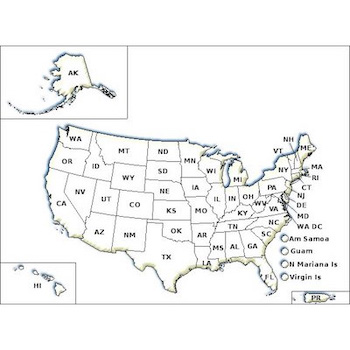
For local information on slug and snail control, consider talking to your local county extension office.
If you have questions about slug and snail control, or any pesticide-related topic, please call NPIC at 800-858-7378, or email at npic@ace.orst.edu.
Last updated March 24, 2025
These images are graciously allowed to be used by NPIC by Bugwood.org. Images included in the Bugwood Network Image Archives (ForestryImages.org, IPMImages.org, Invasive.org, and InsectImages.org) are made available under a Creative Commons license. Individual photographers retain all rights to images included in the archive.
Through its county agents, the Cooperative Extension Service gives individuals access to the resources at land-grant universities across the nation. These universities are centers for research in many subjects, including entomology (the study of insects) and agriculture. Each county within the United States has an Extension office, which is staffed with agents who work closely with university-based Extension specialists to deliver answers to your questions about gardening, agriculture, and pest control.
Slug and Snail Bait Health Risks
Additional Resources: